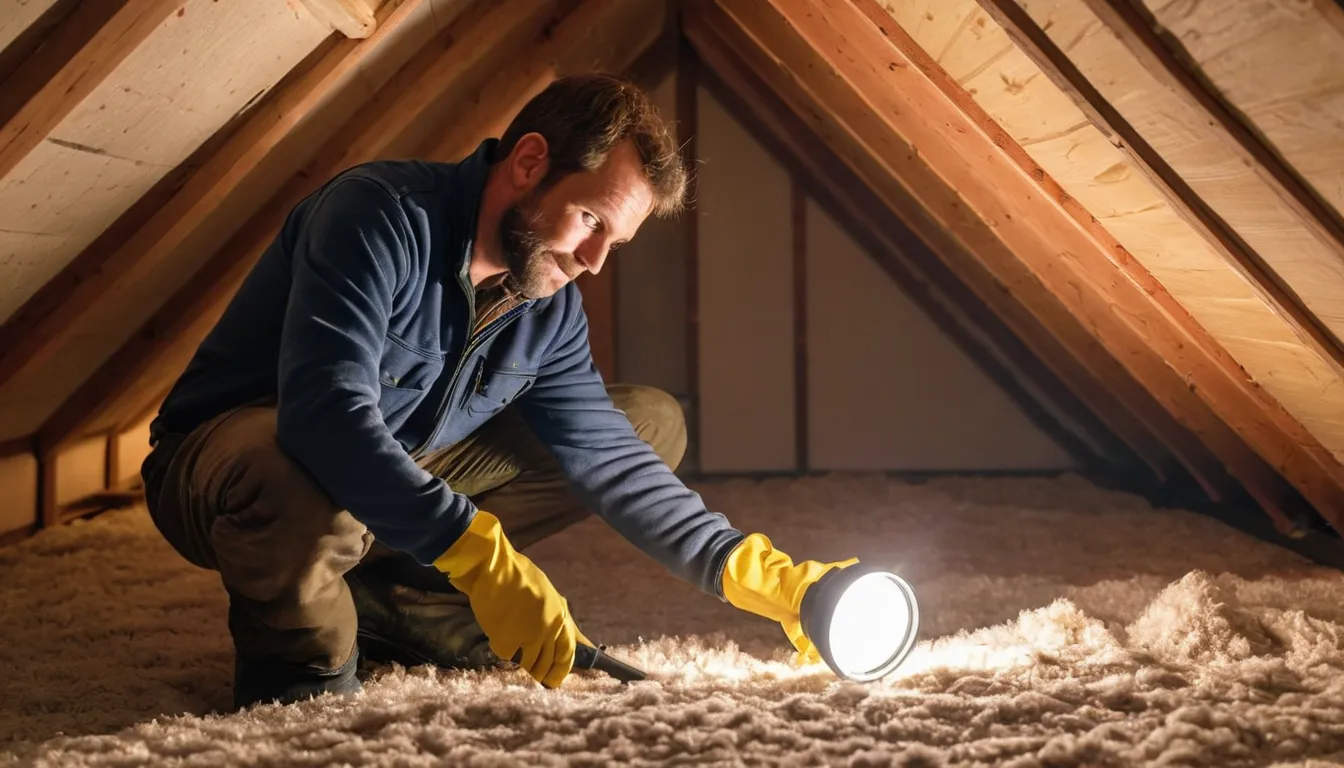
Scratching overhead, droppings in the pantry, or a raccoon in the chimney all mean the same thing: an animal has found a way into your home. Jefflied Pest Control is a referral service. We do not trap, seal or clean anything. We connect you with an independent provider in our network who does.
The goal is less searching. Instead of comparing a dozen listings for an exterminator near me, you reach a local provider who handles mice, rats, squirrels, raccoons, bats and similar animals. The provider inspects, explains the options and gives you a written quote. Referral, not repair. Catch it small, and the job is usually simpler for everyone.
Animals in the Attic or Walls? Start Here
You hear scratching at night. You find droppings near the water heater. Something is in your house, and you want it gone.
Jefflied Pest Control is a referral service. A local provider in our network does the inspection and the removal. We simply route your request so you spend less time searching.
Why Speed Matters
Rodents breed fast
A pair of mice can produce several litters a year. A small problem in fall can be a crowded one by midwinter. Rats are larger and chew more, so their damage adds up quickly.
Wildlife follows a calendar
Raccoons, squirrels and similar animals often nest in spring and early summer. Babies may be inside the structure. A provider can check for young before sealing any opening, which matters for both the animals and the outcome.
Damage compounds
Gnawed wiring is a fire risk. Droppings and urine soak into insulation. Catch it small and the repair list stays short.
Signs You Have an Animal Problem
What you hear
Scratching, thumping, rolling or chirping in walls and ceilings. Rodents are often loudest at dusk and overnight. Squirrels are usually active in daylight.
What you see
- Droppings along baseboards, in drawers or in the attic
- Gnaw marks on wood, wiring or stored boxes
- Greasy rub marks along walls
- Torn insulation or shredded nesting material
- Chewed holes at the roofline or soffit
What you smell
Musty, ammonia-like odors point to urine. A sharp rotting smell can mean an animal has died inside a wall.
Animals Providers Commonly Handle
Providers in our network typically deal with house mice, Norway and roof rats, squirrels, raccoons, opossums, skunks, bats and birds nesting in vents. Availability and species vary by provider, so ask when you call.
How Removal Works
The provider does the work. The usual order looks like this:
- Inspection. The provider checks the attic, crawl space, basement and roofline for entry points and activity.
- Identification. Droppings, tracks and damage show which animal is involved. The method depends on the answer.
- Removal. This may mean traps, one-way exit devices or exclusion work, depending on species and local rules.
- Sealing. Openings are closed with metal, mesh or other durable material, not foam alone.
- Cleanup. Some providers offer droppings removal and insulation replacement. Others do not, so ask.
Humane Handling and Local Rules
Wildlife rules differ by state and sometimes by town. Some species are protected. Some cannot be relocated. Seasonal limits may apply during nesting.
A reputable provider knows the local rules and explains them before work starts. Ask how they handle babies and what happens to the animal afterward. Plain answers are a good sign.
Choosing a Removal Provider
All providers in our network are independent businesses. Before you agree to anything, ask these questions:
- Do you hold the licenses or permits your state requires for wildlife work?
- Is the quote in writing, and does it include sealing entry points?
- Do you offer a warranty on exclusion work, and what does it cover?
- How do you handle young animals?
Compare the written quote with the scope of work, not only the price.
Seasonal Pressure Points
Cold winters push mice and rats indoors, especially into basements and garages. Hot, humid summers bring more activity in soffits and crawl spaces. Spring flooding and heavy storms can drive animals out of burrows and into houses. Older frame homes, bungalows and ranches often have small gaps at the foundation, eaves and utility lines.
Keeping Animals Out
Close the gaps
Rodents can squeeze through openings about the size of a dime. Check pipe penetrations, vents, garage door seals and the foundation.
Reduce food and shelter
Store pet food and birdseed in sealed containers. Keep firewood off the wall. Trim branches that overhang the roof.
Check after storms
Hail and wind can loosen flashing, soffits and vent covers. A quick look afterward can prevent a new entry point.
Related Concerns
Insects and bed bug treatment are separate topics with their own pages. If you also see crawling pests, a provider can often tell you which type of service fits.
Ready to Get Started?
Request a callback to check provider availability in your area. Or send the request form and a provider will follow up with next steps.
What's Included
Inspection and Diagnosis
A provider checks attic, walls, basement and roofline to find the animal, the entry points and the damage.
Removal Methods
Traps, one-way exits or exclusion work, chosen by species and local rules.
Entry Sealing
Gaps are closed with durable materials so the animals do not return.
Cleanup Options
Some providers remove droppings and replace soiled insulation. Ask what your quote includes.
Typical Rodent and Wildlife Removal Costs
Prices vary by animal, home size, access and how much sealing is needed. These are typical U.S. ranges only. Ask each provider for a written quote that lists exactly what is included.
| Service | Typical range | Notes |
|---|---|---|
| Inspection | $75 – $300 | Some providers credit it toward the job |
| Mouse trapping | $150 – $600 | Often several visits |
| Rat removal | $250 – $900 | Higher with large infestations |
| Squirrel or raccoon removal | $300 – $1,000 | Depends on access and nesting |
| Entry sealing and exclusion | $300 – $2,000 | Varies with roof height and openings |
| Droppings cleanup and insulation | $500 – $5,000 | Large attics cost more |
How It Works
Contact Us
Request a callback to check provider availability, or send the request form with a short description of what you hear or see.
Get Matched Locally
Your request goes to an independent provider in our network who handles your type of animal.
Review the Quote
The provider inspects and gives a written quote. You decide with no obligation.
Provider Completes the Work
The provider handles removal, sealing and any agreed cleanup, and explains what to watch for.
Why Call Jefflied Pest Control
Referral, Not Repair
We route your request. An independent provider does the inspection, removal and sealing.
Less Searching
One place to start instead of comparing many listings while the noise continues.
Plain Process
You hear how it works up front. The quote and scope come from the provider.
Catch It Small
Acting while the activity is limited usually keeps the work and the repairs simpler.
Other Services
Need rodent & wildlife removal services in Aurora?
- Referral service, not the contractor
- Common pests and wildlife
- Homeowner-focused
- Written quote advised
Rodent & Wildlife Removal Services FAQ
How do I know if it's mice, rats or something bigger in my attic?
Sound and droppings help. Light, quick scratching often means mice. Heavier thumping suggests rats or squirrels. Loud crashes or bigger droppings may point to raccoons. A provider can confirm the animal during an inspection.
Can I just set traps myself?
For a few mice, store-bought traps may work. For rats, wildlife or nesting animals, a provider is safer. Some species are protected, and sealing entry points matters more than trapping alone. Check local rules first.
Does homeowners insurance cover animal damage?
It depends on the policy. Some policies may cover sudden damage, but many exclude long-term infestations. Check your policy, and ask the provider to help document the damage for a claim.
Get in touch
Have a pest or wildlife problem at home? Use the request form or email contact@jefflied.living and we will point you toward an independent provider in our network.
No obligation